The process of reconstitution—converting a lyophilized (freeze-dried) peptide “puck” back into a liquid state—is the most critical phase of peptide research. Because peptides are fragile molecular chains, improper handling during this stage can lead to molecular degradation and compromised research results1.
This guide provides a standardized, step-by-step protocol to ensure maximum stability and potency of your research materials.
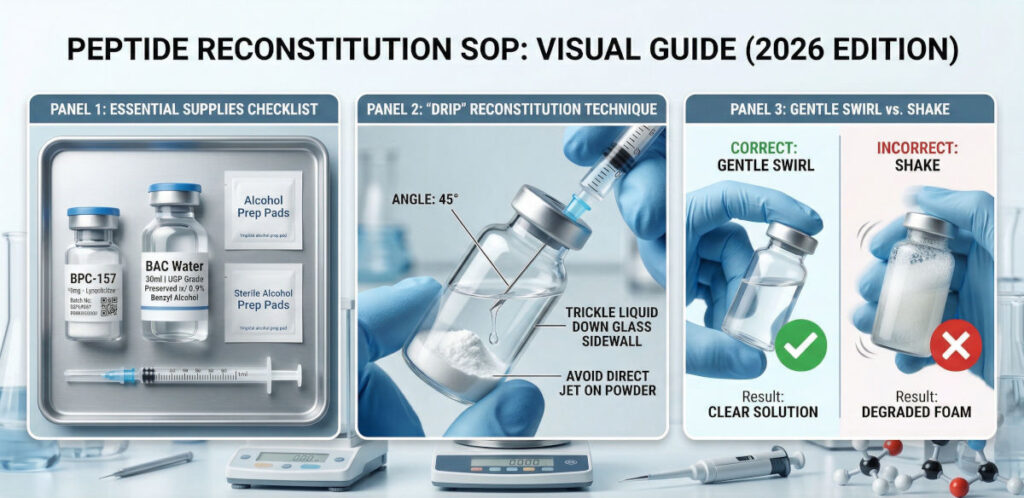
Step 1: Essential Supplies Checklist
Before beginning the protocol, ensure your workspace is sanitized and you have the following sterile supplies ready:
- Lyophilized Peptide Vial: Fresh from cold storage.
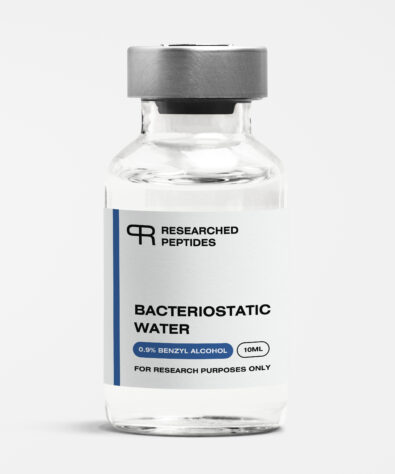
- Bacteriostatic (BAC) Water: Containing 0.9% benzyl alcohol to inhibit bacterial growth2.
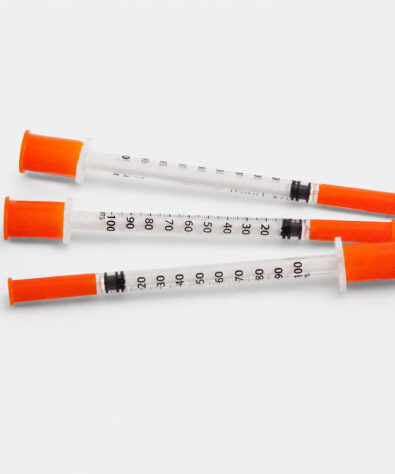
- Insulin Syringes: Typically 1ml (100 units) for precise measurement.
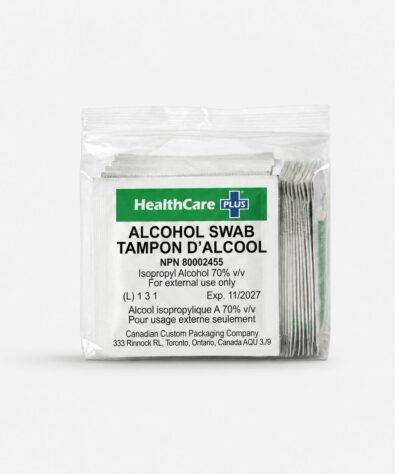
- Alcohol Prep Pads: 70% Isopropyl alcohol for sterilization.
Step 2: The Math (Concentration Calibration)
Precision is the hallmark of quality research. You must calculate your concentration ratio before the needle touches the vial. The standard formula is:
Total Milligrams (mg) ÷ Total Milliliters (mL) = Concentration (mg/mL)
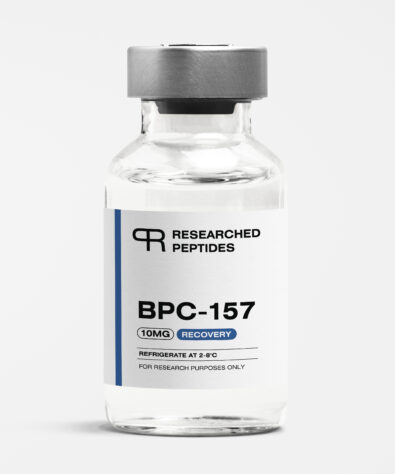
For example, if you add 2mL of BAC Water to a 5mg vial of BPC-157, your final concentration is 2.5mg per mL. For highly accurate dosing, we recommend utilizing our Peptide Calculator.
Step 3: Sterilizing the Environment
Even in a clean lab, microscopic contaminants can compromise a vial. Remove the plastic flip-caps from both the BAC water and the peptide vial. Use a fresh alcohol prep pad to vigorously wipe the rubber stoppers of both vials. Allow the alcohol to air-dry for 15 seconds; do not blow on the stoppers to speed up drying, as this introduces airborne bacteria.
Step 4: Drawing the Bacteriostatic Water
Uncap your syringe and pull back the plunger to draw air equal to the amount of liquid you intend to extract (e.g., 2mL of air for 2mL of water). Insert the needle into the BAC water vial, inject the air to equalize pressure, and draw the required volume of liquid.
Step 5: The “Drip” Reconstitution Method
This is where most research materials are accidentally damaged. Peptides are held together by fragile peptide bonds that can be sheared by high-pressure liquid impact3.
- Insert the needle into the peptide vial at a 45-degree angle.
- Aim the needle tip toward the glass side wall of the vial rather than directly at the lyophilized powder.
- Slowly depress the plunger, allowing the BAC water to trickle down the glass and soak into the powder.
- Equalize pressure: Before removing the needle, pull back slightly on the plunger to draw out a bit of air, preventing a “vacuum pop” that could spray the solution.
Step 6: The “Swirl” (Never Shake)
Once the water is in the vial, the peptide will begin to dissolve. Never shake the vial. Shaking creates foam (denatured proteins) and can break the molecular chains4.
Instead, hold the vial by the cap and gently swirl it in a slow, circular motion. If the solution remains cloudy, place the vial back in the refrigerator for 15–30 minutes. Most high-purity peptides will naturally clear up on their own once they reach thermal equilibrium.
Step 7: Post-Reconstitution Storage
Now that the peptide is in its aqueous state, its “degradation clock” has accelerated. To maintain maximum bioavailability, the solution must be stored in a consistent, climate-controlled environment:
- Refrigeration: Store at **2°C – 8°C (36°F – 46°F)**. Do not store in the door of the refrigerator, as the temperature fluctuates every time the door opens5.
- Light Protection: Keep the vials in a dark box. Exposure to UV light will cause the peptide bonds to photolyze (break apart).
- Stability Duration: Most reconstituted peptides are stable for 30 days. Beyond this point, potency begins to diminish significantly.
SOP Troubleshooting & FAQ
This is common with certain hydrophobic (water-fearing) sequences. Do not add heat. Simply return the vial to the refrigerator and wait. Time and cold are the best ways to ensure a clear solution without damaging the sequence.
While Sterile Water will dissolve the peptide, it contains no preservative. A vial reconstituted with Sterile Water must be used within 24 hours, whereas Bacteriostatic Water keeps the solution stable for up to 30 days by preventing microbial growth2.
Cloudiness (precipitation) can occur if the pH balance is off or if the liquid was injected too forcefully. Usually, a period of rest in the refrigerator will resolve this. If it remains milky after 24 hours, the purity or the sequence stability may be compromised.
Summary for Laboratory Success
By following this Step-by-Step Reconstitution SOP, you ensure the integrity of your research. Consistent protocols lead to consistent data. For high-purity materials and the supplies needed for this protocol, visit our Research Shop.
References
- Manning, M. C., Chou, D. K., Murphy, B. M., Payne, R. W., & Katayama, D. S. (2010). Stability of protein pharmaceuticals: an update. Pharmaceutical Research, 27(4), 544-575.
- Franks, F. (1998). Freeze-drying of bioproducts: putting principles into practice. European Journal of Pharmaceutics and Biopharmaceutics, 45(3), 221-229.
- Wang, W. (2000). Instability, stabilization, and formulation of liquid protein pharmaceuticals. International Journal of Pharmaceutics, 203(1-2), 1-60.
- Mahler, H. C., et al. (2009). Protein aggregation: pathways, induction factors and analysis. Journal of Pharmaceutical Sciences, 98(9), 2909-2934.
- Brooke, J. W., et al. (2011). Storage stability of lyophilized and reconstituted peptide formulations. Journal of Analytical Chemistry, 66(5), 482-489.
Shop Related Supplies
Research Supplies
Price range: $3.74 through $14.99
Research Supplies
Price range: $2.24 through $6.74
Tissue Repair & Recovery
Price range: $41.24 through $71.24
Tissue Repair & Recovery
Price range: $41.24 through $71.24
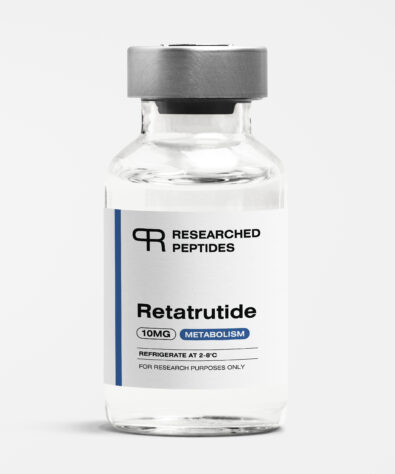
Metabolic Support
Price range: $74.99 through $149.99
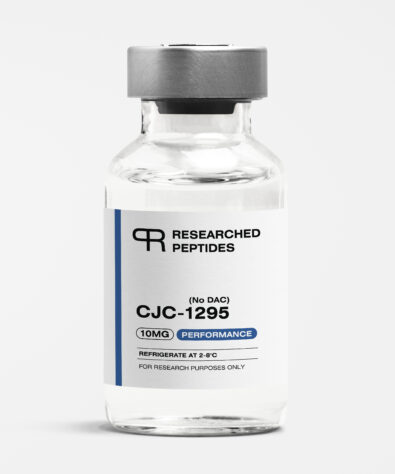
Performance & Endurance
Price range: $52.49 through $74.99
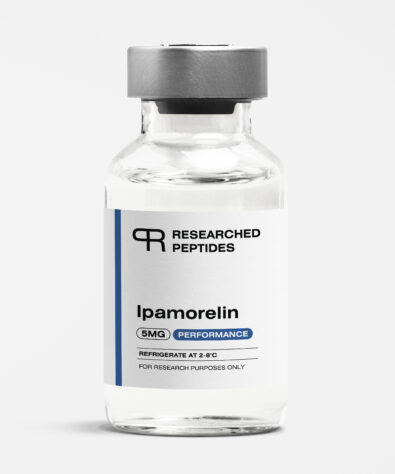
Performance & Endurance
$44.99
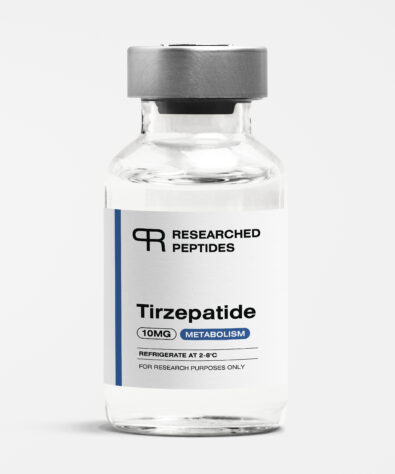
Metabolic Support
Price range: $71.24 through $108.74