Free Xpresspost Shipping Over $199

25% Off
Fall Sale
25% Off
Fall Sale
Research Supplies
(4) Price range: $4.99 through $19.99
Price range: $3.74 through $14.99
This product has multiple variants. The options may be chosen on the product page Price range: $3.74 through $14.99
25% Off
Fall Sale
Research Supplies
(3) Price range: $2.99 through $8.99
Price range: $2.24 through $6.74
This product has multiple variants. The options may be chosen on the product page Price range: $2.24 through $6.74
Technical Appendix: Reconstitution & Stabilization
The integrity of laboratory research depends not only on the purity of the lyophilized compound but also on the chemical environment in which it is reconstituted. Our Research Supplies are selected based on their ability to maintain the structural stability of delicate peptide chains during experimental observations.
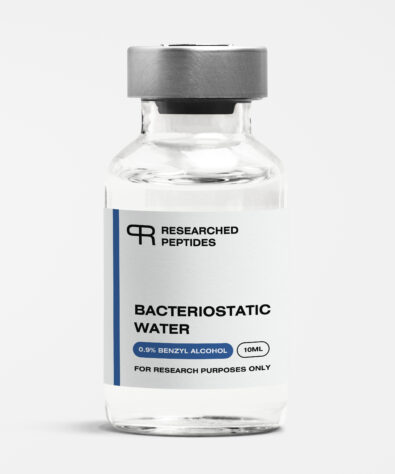
1. Bacteriostatic Water (0.9% Benzyl Alcohol)
Unlike standard sterile water, pharmaceutical-grade Bacteriostatic Water contains 0.9% benzyl alcohol, which acts as a bacteriostatic preservative. This component is vital for multi-use research vials, as it inhibits the growth of bacteria and ensures the solution remains viable for 21–28 days when refrigerated at 4°C. Using a non-preserved solvent can lead to rapid molecular degradation and sample contamination, compromising the accuracy of longitudinal studies.
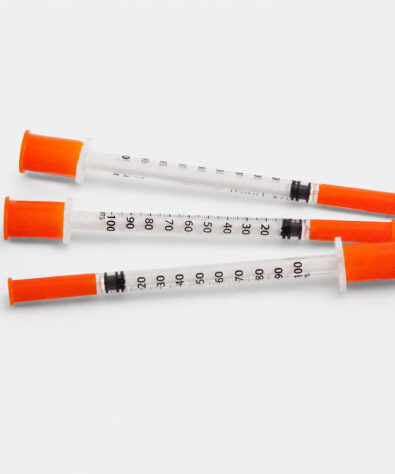
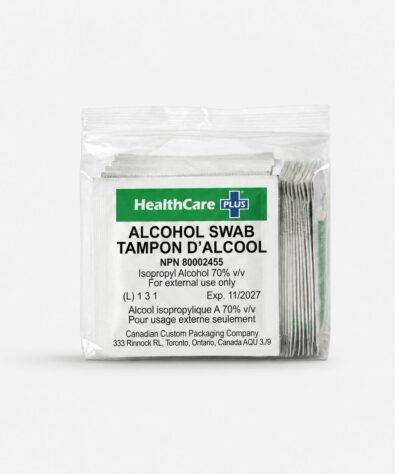
2. Sterile Reconstitution & Handling Tools
Maintaining a sterile field is a procedural requirement in any high-level research facility. To prevent the introduction of foreign particulates or microbial contaminants into the vacuum-sealed environment of the vial, we provide medical-grade laboratory auxiliaries. This includes precision research syringes for accurate measurement and 70% Isopropyl Alcohol wipes for the sanitization of vial stoppers and work surfaces. These tools are essential for maintaining the "closed system" required for high-precision analytical testing.
3. Cold-Chain Integrity and Storage
While bacteriostatic water is stable at room temperature, the reconstituted peptide solution is highly sensitive to thermal stress. For Canadian researchers, sourcing these supplies domestically from our Vancouver hub guarantees that your research tools have been stored and handled under strict quality control standards. We recommend a storage protocol of 4°C post-reconstitution to ensure the molecular integrity of compounds within metabolic, regenerative, and longevity research streams.