Free Xpresspost Shipping Over $199

Peptide Calculator – for Precise Reconstitution
Your Dosage
Draw to 10 Units
Units
Instructions:
- Reconstitute your peptide with 2 ml bacteriostatic water
- Draw to exactly 10 units on your syringe as shown by the red line
- This provides a dose of 250 mcg
- Store reconstituted peptide in the refrigerator
Peptide Reconstitution Calculator Guide
Our peptide reconstitution calculator helps researchers determine the correct syringe measurement after adding bacteriostatic (BAC) water to a lyophilized peptide vial. Select your vial size, BAC water volume, and desired peptide quantity to instantly calculate the appropriate syringe units.
Whether you’re working with 5mg, 10mg, 20mg, or custom peptide concentrations, this educational tool also functions as a peptide dosage calculator for common laboratory research applications.
If you’re learning how to calculate peptide dose, this guide explains the fundamentals of peptide reconstitution while serving as a practical BAC water calculator for educational purposes.
This calculator is provided solely as an educational reference for laboratory research applications.
📦 Step 1: Before Reconstitution: Storing Peptides & Solvents
Our peptides are shipped in a freeze-dried form, as a small puck of powder inside a glass vial. This “lyophilization” (freeze-drying) is done to remove all moisture and air to ensure long-term stability.
Our Recommendation: Store these lyophilized peptides in the refrigerator to maintain their potency, immediately after receiving them in the mail.
For Long-Term Storage (intended use in 1-3 years): Store lyophilized peptides in a freezer (at least -20c).
Solvents like Bacteriostatic water don’t need to be stored in the refrigerator (though you may). They can simply be placed in a cool, dry environment away from light.
🧼 Step 2: Preparing A Clean Environment
Being clean is the foundation of successful peptide research. Prioritize sterility by thoroughly washing hands and wearing sterile gloves before handling any materials.
Essential Tool Checklist:
Lyophilized Peptide (Glass Vial)
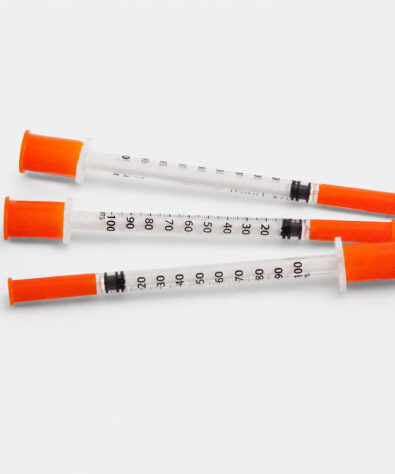
Sterile Syringe
Solvent (Bacteriostatic Water)
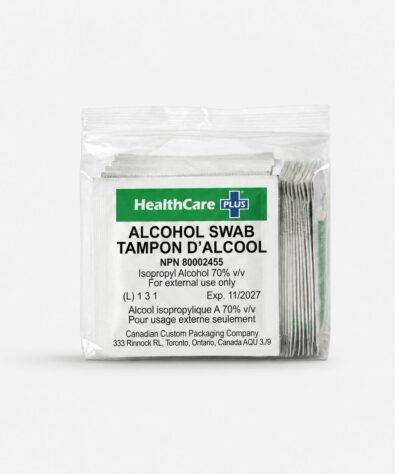
Alcohol Wipes
Protective Gloves
A sterile environment is critical for maintaining the potency and bioactivity of the compound.
🧪 Step 3: How to Reconstitute Peptides
Phase 1: Stable & Sterile Environment
Before reconstitution, ensure the peptides and solvent have reached room temperature and the research environment is clean.
Thermal Acclimation:If your lyophilized peptide powder was stored in the refrigerator, take the vial out and let it sit for 15-30 minutes to reach room temp. Ensure your solvent is also at room temp. Using cold solutions can interfere with the mixing process, cause damage and clump.
Sterilize the Environment: Remove the central portion of the metal caps from both vials. Thoroughly disinfect the upper surfaces with a medical-grade alcohol swab to maintain absolute sterility.
Phase 2: Solvent Selection
Solvent choice is determined by the specific solubility profile and properties of the peptide being studied:
Bacteriostatic Water: The industry standard for the majority of research applications. We recommend and provide it for this purpose.
Phase 3: The Hydration Sequence
Precise handling is required when mixing the solvent with the lyophilized powder to avoid molecular shearing.
The “45-Degree” Method: Using a sterile syringe, withdraw the required solvent. Tilt the peptide vial at a 45° angle and aim the needle toward the interior glass wall.
Controlled Injection: Inject the solvent slowly, allowing it to run gently down the side of the vial. Introduce the liquid dropwise to prevent the formation of bubbles or foam.
Gentle Integration: Do not vortex or shake the vial aggressively. Use a controlled, gentle swirling or tilting motion until the powder is fully integrated and the solution is homogenous.
Phase 4: Purity Verification
The final solution must be completely transparent and free of visible undissolved particles. If the solution remains cloudy or particles persist, a brief period of sonication (exposure to ultrasonic waves) may be employed to assist in the dissolution of stubborn compounds.
❄️ Step 4: Storage After Peptide Reconstitution
Precise temperature management is the primary defense against molecular degradation for long-term storage.
Post-Reconstitution: Once hydrated, peptides become significantly more susceptible to degradation.
Storing for Short-Term Use: For active research (3–7 days), store the reconstituted liquid solution at 4°C in a refrigerator with a stable temperature.
Extended Storage of Reconstituted Peptides: If you wish to use your reconstituted liquid later on (past 3-7 days), you can make aliquots (divided, single use portions of your solution) and store them in the freezer at -20°C.
Thawing & Using Frozen Solutions: To avoid thermal shock and molecular shearing, thaw your frozen aliquot (divided, single use portions) by transferring it directly to the refrigerator. Let it thaw for at least an hour. After that, you can take it out of the refrigerator and let it sit for 15-30 minutes as room temp before usage.
Critical Note: Avoid repeated freeze-thaw cycles, as the resulting mechanical stress can reduce biological activity.
⚠️ Protecting Your Peptides - Critical Failure Points to Avoid
Keep these factors in check to ensure researcher safety and to preserve peptide potency.
DO NOT USE Non-Sterile Solvents: Using tap or distilled water introduces microbial contaminants will destroy peptide integrity and could cause harm to the researcher. DO NOT USE TAP WATER. Use bacteriostatic water, which is clinically sterile.
Avoid Mechanical Stress: Aggressive shaking “shears” delicate peptide bonds, rendering the compound inactive.
Avoid Ambient Temperature Exposure: Leaving reconstituted solutions at room temperature for extended periods leads to rapid enzymatic breakdown.
Do Not Expose Reconstituted Peptides to Repeated Freeze & Thaw Cycles: If freezing reconstituted solutions for long-term storage, always divide the liquid into single-use portions. This prevents repeated freeze-thaw cycles on a bulk portion, which cause mechanical stress and degrade the peptide’s molecular potency.
Popular Research Peptides
A curated catalog of high-purity metabolic and regenerative analogs.
Each compound is lyophilized and batch-verified to ensure analytical consistency and molecular stability.
25% Off
Fall Sale
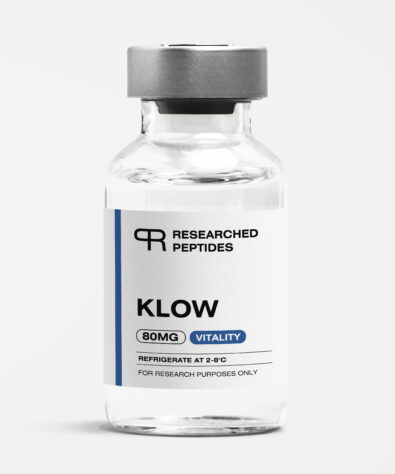
Longevity & Vitality
(5)
This product has multiple variants. The options may be chosen on the product page 25% Off
Fall Sale
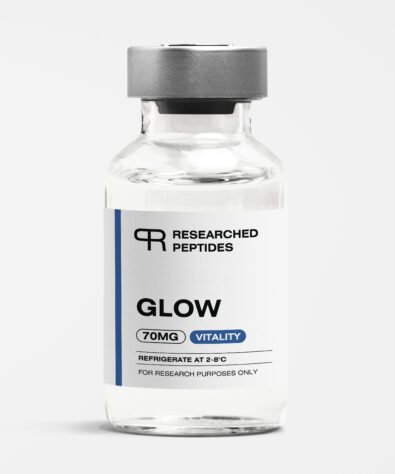
Longevity & Vitality
(1)
This product has multiple variants. The options may be chosen on the product page 25% Off
Fall Sale

25% Off
Fall Sale
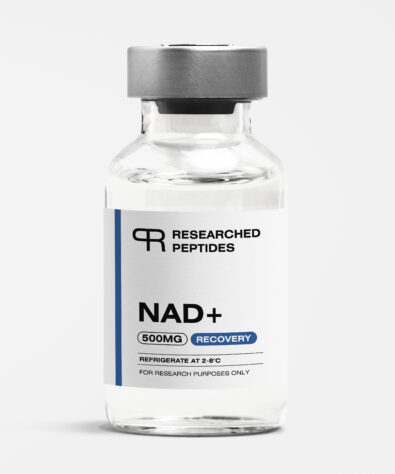
Longevity & Vitality
(2)
This product has multiple variants. The options may be chosen on the product page 25% Off
Fall Sale
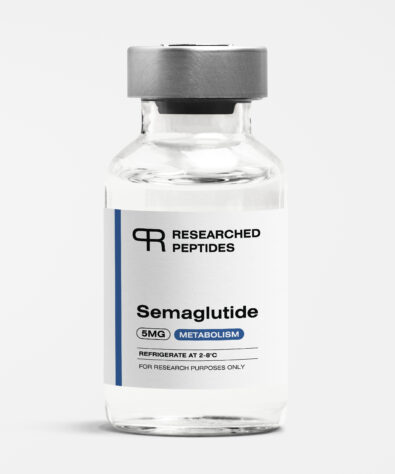
Metabolic Support
(1)
This product has multiple variants. The options may be chosen on the product page 25% Off
Fall Sale
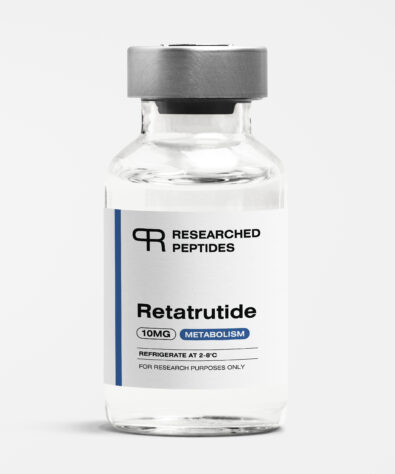
Metabolic Support
(20)
This product has multiple variants. The options may be chosen on the product page 25% Off
Fall Sale
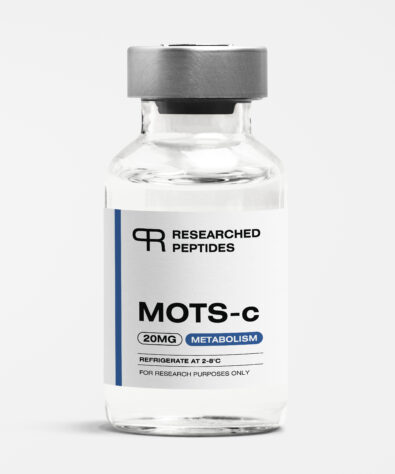
Metabolic Support
(6)
This product has multiple variants. The options may be chosen on the product page 25% Off
Fall Sale
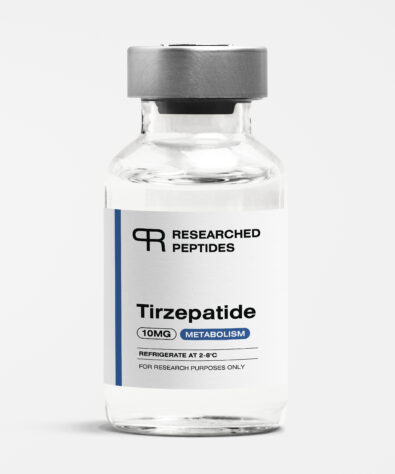
Metabolic Support
(7)
This product has multiple variants. The options may be chosen on the product page Research Supplies
Essential research tools to ensure analytical precision and sterile reconstitution for advanced research.
25% Off
Fall Sale
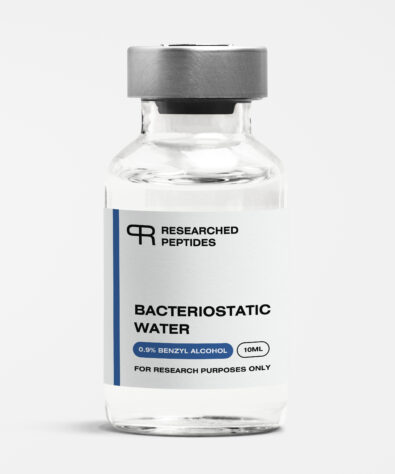
25% Off
Fall Sale
Research Supplies
(4)
This product has multiple variants. The options may be chosen on the product page 25% Off
Fall Sale
Research Supplies
(3)
This product has multiple variants. The options may be chosen on the product page