Free Xpresspost Shipping Over $199

25% Off
Fall Sale
Performance & Endurance
(1) $59.99
$44.99
This product has multiple variants. The options may be chosen on the product page $44.99
25% Off
Fall Sale
Performance & Endurance
(3) Price range: $69.99 through $99.99
Price range: $52.49 through $74.99
This product has multiple variants. The options may be chosen on the product page Price range: $52.49 through $74.99
Technical Appendix: Somatotropic Signaling & Physiological Optimization
The study of physiological regulation involves investigating complex endocrine feedback loops and cellular energy pathways. Our premium performance endurance research peptides series features high-purity Growth Hormone Secretagogues (GHS) and mitochondrial-derived peptides designed to observe the stimulation of endogenous metabolic and physical adaptation mechanisms through targeted receptor pathways.
1. Ipamorelin and Ghrelin Receptor Agonism
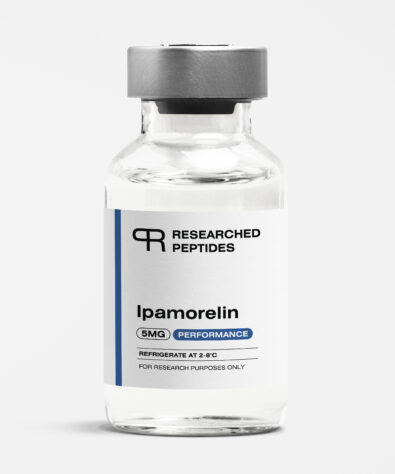
Ipamorelin is a highly selective GHSR (Ghrelin Receptor) agonist researched for its capacity to mimic the hunger hormone ghrelin. In a laboratory setting, Ipamorelin is distinguished by its strict selectivity; unlike earlier generation GHRP analogs, it demonstrates a negligible effect on cortisol, prolactin, and ACTH levels. This makes it an ideal reference compound for investigating pulsatile GH release and its subsequent downstream effects on nitrogen retention, lean tissue preservation, and lipolysis without the interference of systemic stress hormones.
2. CJC-1295 (No DAC) and GHRH Analogs
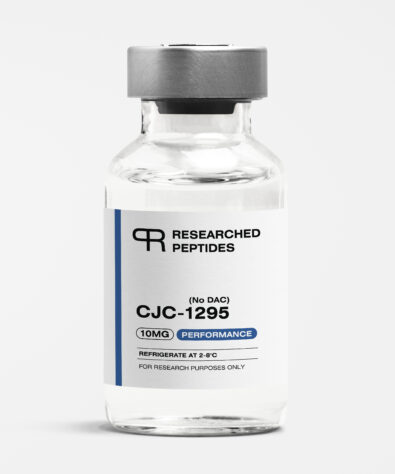
CJC-1295 (Modified GRF 1-29) is a synthetic analog of Growth Hormone Releasing Hormone (GHRH). By modifying the first 29 amino acids of the native GHRH sequence, researchers utilize a compound with a shorter half-life that allows for the precise observation of natural, pulsatile GH rhythms. This "No DAC" version is preferred in research protocols where mimicking genuine physiological spikes is a requirement. Analysis of these performance endurance research peptides heavily focuses on their ability to increase systemic IGF-1 (Insulin-like Growth Factor 1) levels through sustained pituitary stimulation.
3. MOTS-c and Mitochondrial-Derived Regulation
MOTS-c (Mitochondrial Open Reading Frame of the 12S rRNA Type-c) is an independent regulatory peptide encoded by the mitochondrial genome rather than the nuclear genome. Research into MOTS-c primarily targets its unique metabolic functions, specifically its ability to promote AICAR phosphorylation and activate the AMPK pathway. In metabolic and exercise-mimetic studies, investigators analyze its role in enhancing systemic insulin sensitivity, increasing cellular glucose uptake, and driving mitochondrial biogenesis to evaluate its net impact on physical endurance and metabolic resilience under strain.
4. Pulse Modulation and Synergistic Research
A significant area of endocrine study involves the synergistic application of a GHRH (CJC-1295 No DAC) and a GHRP (Ipamorelin). Researchers observe a compounding "double signal" effect: the GHRH increases the total quantity of GH-secreting cells participating in a pulse, while the GHRP triggers the exact timing of the pulse itself. Combining these modalities with cellular-level mitochondrial signaling analogs like MOTS-c allows investigators to analyze multi-tiered pathways governing peak GH amplitude, muscular endurance markers, and adaptive systemic efficiency. Maintaining complete lyophilized stability is critical, as these specific performance endurance research peptides are highly sensitive to amino acid cleavage if exposed to improper environments.