Free Xpresspost Shipping Over $199

25% Off
Fall Sale

Metabolic Support
(20) Price range: $99.99 through $199.99
Price range: $74.99 through $149.99
This product has multiple variants. The options may be chosen on the product page Price range: $74.99 through $149.99
25% Off
Fall Sale
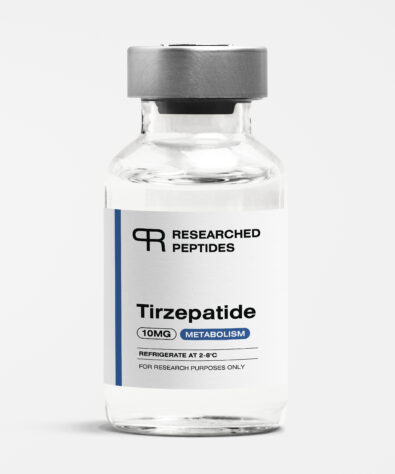
Metabolic Support
(7) Price range: $94.99 through $144.99
Price range: $71.24 through $108.74
This product has multiple variants. The options may be chosen on the product page Price range: $71.24 through $108.74
25% Off
Fall Sale
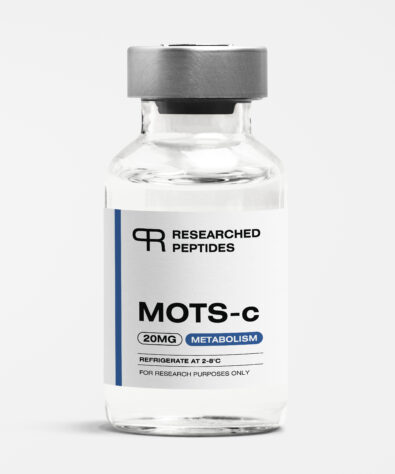
Metabolic Support
(6) $99.99
$74.99
This product has multiple variants. The options may be chosen on the product page $74.99
25% Off
Fall Sale

Metabolic Support
(1) Price range: $119.99 through $575.95
Price range: $89.99 through $431.96
This product has multiple variants. The options may be chosen on the product page Price range: $89.99 through $431.96
Technical Appendix: Metabolic Signaling & Receptor Agonism
The study of metabolic regulation has been fundamentally altered by the development of highly specific peptide analogs. Our premium metabolic research peptides provide analytical-grade tools to investigate the physiological pathways of incretin hormones, glucose homeostasis, and cellular energy expenditure frameworks.
1. Incretin Mimetics: Single, Dual, and Tri-Agonist Profiles
Current endocrine research heavily focuses on Glucagon-Like Peptide-1 (GLP-1), Glucose-Dependent Insulinotropic Polypeptide (GIP), and Glucagon (GCG) receptor pathways. These systems are essential for studying the "incretin effect"—the biological stimulation of insulin secretion following nutrient ingestion. By utilizing specialized metabolic research peptides, investigators can analyze different tiers of receptor targeting:
- Semaglutide: A potent, selective single GLP-1 receptor agonist engineered to evaluate prolonged glycemic regulation and central appetite signaling.
- Tirzepatide: A dual GIP/GLP-1 receptor agonist designed to study the synergistic impact of multi-incretin targeting on insulin sensitivity and lipid metabolism.
- Retatrutide: A novel tri-agonist targeting GLP-1, GIP, and GCG receptors simultaneously, allowing researchers to observe compound metabolic acceleration, glucagon-mediated energy expenditure, and intensive lipolysis in cellular models.
2. MOTS-c and Autonomous Mitochondrial Regulation
MOTS-c (Mitochondrial Open Reading Frame of the 12S rRNA Type-c) introduces an entirely independent layer to metabolic research. Unlike traditional incretin mimetics that target pancreatic and hypothalamic receptors, MOTS-c is a mitochondrial-derived peptide that functions directly at the cellular level. Research focuses on its capacity to activate the AMPK (AMP-activated protein kinase) pathway and turn on cellular glucose uptake. This unique mechanism makes it a primary reference compound for evaluating mitochondrial biogenesis, metabolic homeostasis, and physical resilience against metabolic stress without impacting insulin secretion pathways directly.
3. Lyophilization and Sequence Stability
Peptides within the metabolic class are structurally delicate and highly prone to enzymatic degradation if not handled with absolute precision. To ensure the complete integrity of the amino acid sequence for compounds like Retatrutide, Tirzepatide, Semaglutide, and MOTS-c, our reference materials are lyophilized (freeze-dried) and vacuum-sealed under an inert environment. This preserves the precise chemical structure during the cold-chain transit process from our Vancouver hub to your research facility, ensuring that the target receptor affinity remains uncompromised upon reconstitution.
4. Analytical Purity in Laboratory Studies
Precision in quantitative data requires compounds completely free of synthesis byproducts and residual processing solvents. Every batch cataloged in this class undergoes rigorous HPLC (High-Performance Liquid Chromatography) and Mass Spectrometry analysis to verify a minimum purity threshold of 99%. This strict benchmark prevents off-target effects during longitudinal research studies, providing a clean, predictable baseline for observing metabolic shifts, insulin response patterns, and downstream cellular signaling behaviors.