In the modern landscape of biochemical exploration, understanding the legal, structural, and procedural boundaries governing material acquisition is just as critical as the experimental assay design itself. For laboratories, independent researchers, and academic institutions across the country, learning how to buy research peptides Canada compliant frameworks require strict adherence to federal law. Navigating these requirements effectively ensures that your laboratory preserves its institutional standing while safeguarding the structural integrity of its testing materials.
This comprehensive guide details the operational boundaries of Canadian chemical classification, establishes the criteria for a legitimate, high-integrity peptide supplier Canada, maps the parameters of international and domestic logistics, and outlines the verification steps required to validate data reproducibility.
Understanding Canadian Research Chemicals Law
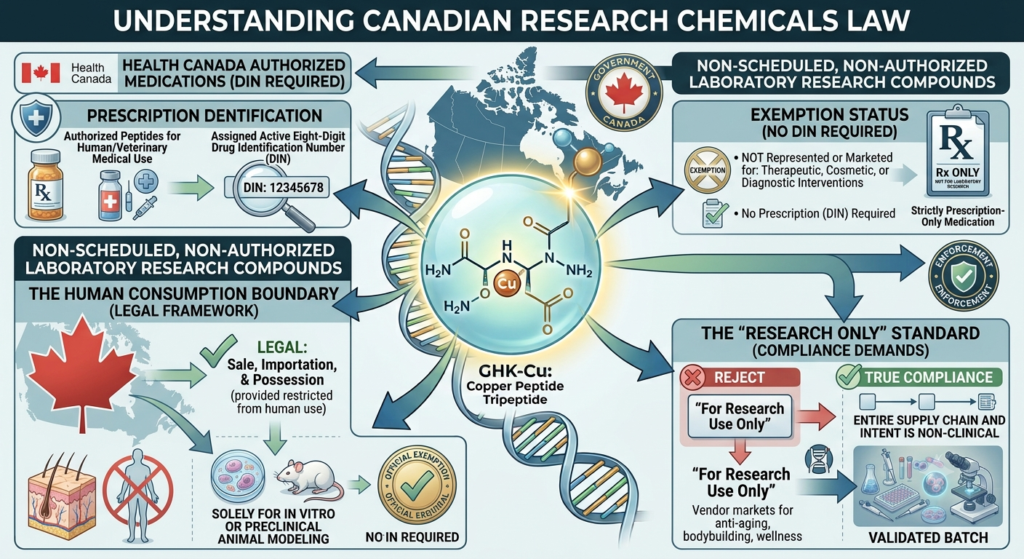
The legal framework governing specialized synthesized amino acid chains is primarily anchored by Health Canada under the federal Food and Drugs Act1. Under native research chemicals law parameters, any peptide drug that has been authorized for human or veterinary medical use is assigned an active eight-digit Drug Identification Number (DIN) and classified strictly as a prescription-only medication2.
However, non-scheduled, non-authorized compounds intended purely for laboratory settings operate under a separate legal designation:
- The Human Consumption Boundary: The sale, importation, and possession of peptides are entirely legal across all provinces provided they are restricted from human clinical entry and used solely for in vitro or preclinical animal modeling2.
- Exemption Status: These compounds do not require a DIN because they are not represented, marketed, or packaged for therapeutic, cosmetic, or diagnostic interventions2.
- The “Research Only” Standard: Affixing a “For Research Use Only” label does not exempt a product from enforcement if a vendor markets it for anti-aging, bodybuilding, or wellness; true compliance demands that the entire supply chain and intent be non-clinical2.
Evaluating Vendor Integrity and Supply Source Metrics
Because the domestic distribution of non-DIN research materials occupies an unmonitored market niche, selecting a reliable vendor is a vital step in protecting your data. Poor synthesis controls can yield truncated peptide chains, heavy metal contamination, or residual reagents that alter cell survival or trigger unexpected toxicity in your assays2.
To maintain absolute trial control, researchers must demand transparent verification from their supplier before initiating an acquisition protocol:
- HPLC Mass Profiling: A reputable domestic supplier must provide accessible, batch-specific High-Performance Liquid Chromatography (HPLC) analytical profiles proving a purity threshold exceeding 99%.
- Mass Spectrometry (MS): Mass Spectrometry validation data must accompany the batch to confirm that the observed molecular weight perfectly aligns with the theoretical sequence design.
- Cold-Chain Management: The vendor must demonstrate validated handling protocols, ensuring that lyophilized powders are preserved at a constant -20°C prior to final packaging and dispatch.
Verified Canadian Research Peptides
Research-grade compounds & supplies tested to over 99% purity and stocked domestically in Canada.
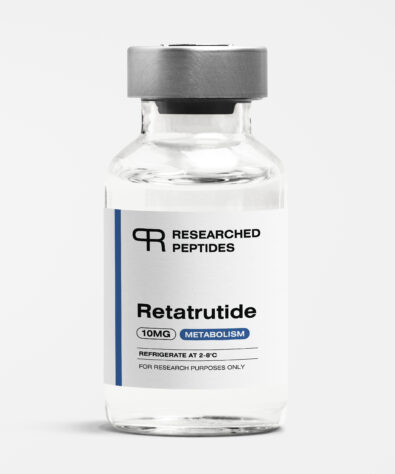
Price range: $74.99 through $149.99
Price range: $3.74 through $14.99
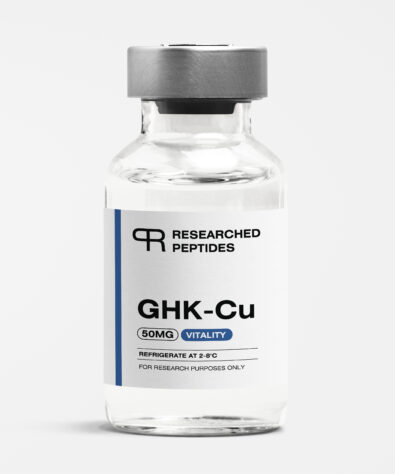
$44.99
Price range: $2.24 through $6.74
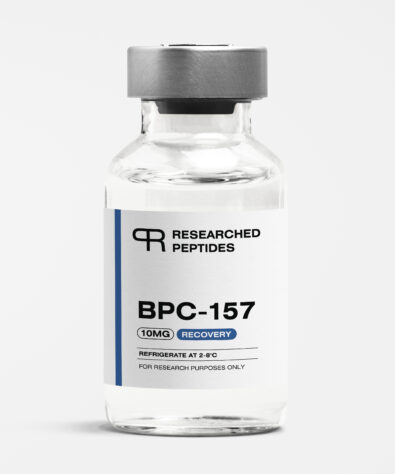
Price range: $41.24 through $71.24

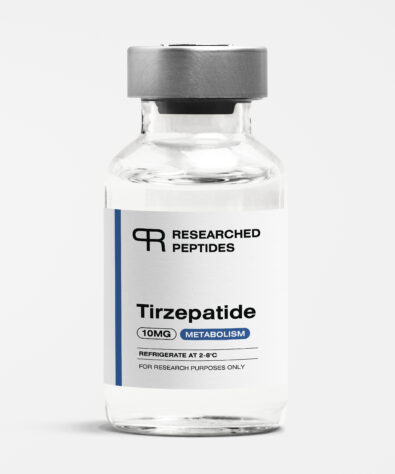
Price range: $71.24 through $108.74
Logistical Frameworks: Domestic vs. International Acquisition
When selecting how to source laboratory materials, investigators must choose between domestic fulfillment or direct international importation. Sourcing through international vectors introduces substantial compliance risks under the jurisdiction of the Canada Border Services Agency (CBSA) and Health Canada border enforcement branches2. Inbound international shipments of unlabelled or incorrectly categorized research chemicals are frequently subject to border seizures, prolonged customs delays, or total destruction due to strict import controls on unauthorized health materials2.
Conversely, utilizing a specialized, fully domestic distributor bypasses these border-clearance variables entirely. Sourcing from within Canada ensures that the materials are already localized, eliminating customs interventions, guaranteeing predictable shipping intervals, and preserving strict temperature controls during transit. Laboratories looking to browse validated domestic stocks frequently orient their logistics through centralized hubs like the main Researched Peptides Shop. The comparative table below breaks down the operational parameters of these two acquisition choices:
The Canadian Lab Advantage: Sourcing materials directly from a trusted domestic company utilizing dedicated Canadian labs provides an exponentially superior framework compared to ordering from vendors in the USA or China. International routes introduce severe unpredictability, as customs clearance thresholds are subject to erratic border enforcement, resulting in frequent package tracking freezes, seizures, and data gaps2. Beyond customs, foreign mass-production facilities in unregulated overseas hubs routinely struggle with batch-to-batch consistency. Sourcing from verified Canadian facilities ensures strict quality control benchmarks are met before shipment, securing your investment and guaranteeing that cold-chain handling protocols are completely unbroken during rapid domestic regional transit.
| Operational Vector | Domestic Sourcing Path | International Importation Path |
|---|---|---|
| Regulatory Border Risk | Zero Risk (Material has already cleared international customs checkpoints) | High Risk (Subject to immediate CBSA seizure and inspection loops)2 |
| Cold-Chain Security | Preserved via expedited, localized ground or air express networks | Compromised due to customs holds at unmonitored holding centers2 |
| Purity Accountability | Directly verifiable via Canadian consumer protection and lab recourse channels | Extremely low accountability; difficult to manage foreign regulatory recourse |
| Standard Delivery Window | 1 to 3 business days via national couriers | 14 to 45 business days depending on border clearance queues |
Standard Reconstitution SOPs for Experimental Control
Once materials are legally and securely localized to the laboratory bench, preserving their structural baseline requires strict adherence to standardized preparation protocols. Lyophilized peptide cakes are highly sensitive to sudden thermodynamic shifts and improper fluid transfer techniques, both of which can easily break delicate peptide bonds and skew control group metrics.
Reconstitution must always incorporate a validated sterile medium, with Bacteriostatic Water (0.9% Benzyl Alcohol) serving as the gold standard for extended observational timelines. The diluent must be introduced slowly down the interior glass wall of the vial, allowing the native vacuum to draw the fluid down naturally. Any form of violent mechanical agitation should be completely avoided; instead, use slow, deliberate swirling motions to transition the crystalline pellet into a clean, uniform solution. Following liquid transition, the solution must be stored at a constant 2°C to 8°C and completely utilized within a 30-day window to eliminate the risk of baseline potency decay.
Sourcing Verification Checklist for Research Teams
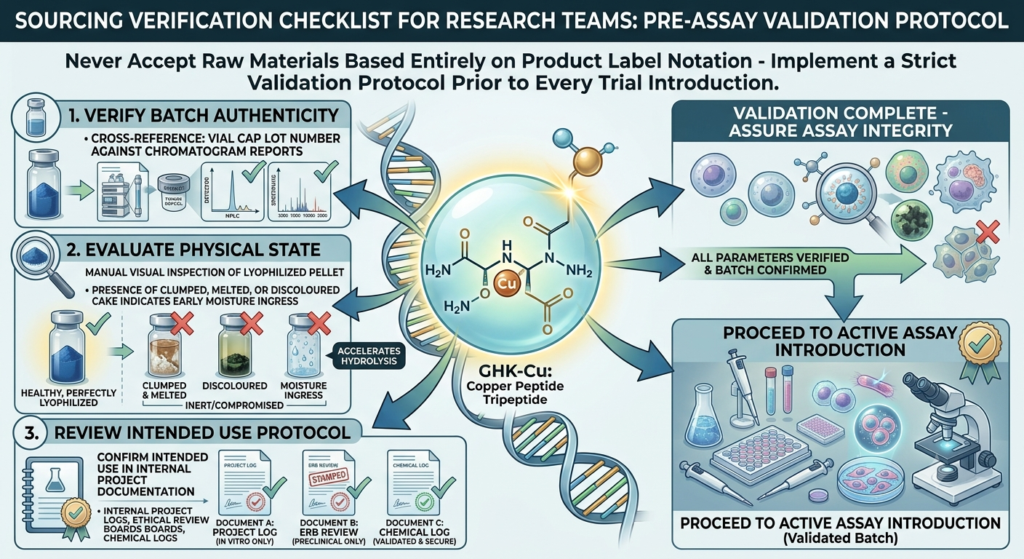
Before allocating grant funding or deploying a specific batch of compounds into an active assay layout, research teams should implement a strict validation protocol. Never accept raw materials based entirely on product label notation. Ensure your internal procurement team checks off the following parameters prior to every trial introduction:
- Verify Batch Authenticity: Cross-reference the lot number stamped on the vial cap directly against the corresponding HPLC/MS chromatogram reports provided by the vendor.
- Evaluate Physical State: Perform a manual visual inspection of the lyophilized pellet. The presence of a clumped, melted, or discoloured cake indicates early moisture ingress, which accelerates hydrolysis and renders the sequence biologically inert.
- Review Intended Use Protocol: Confirm that all internal project documentation, ethical review boards, and laboratory chemical logs clearly record the materials as intended strictly for in vitro or preclinical testing2.
Conclusion: Navigating Compliant Peptide Procurement in Canada
Sourcing laboratory-grade biochemicals in Canada does not require complex import permits, provided your facility operates strictly within non-clinical and preclinical research frameworks2. Working with a domestic supplier guarantees that all research peptides are already localized, eliminating customs holds and ensuring predictable delivery timelines for active projects.
Prioritizing verified domestic shipping, third-party HPLC testing, and unbroken cold-chain integrity shields your research from supply chain disruptions and maintains experimental consistency. Reviewing independent analytical reports and batch purity prior to procurement safeguards both your data and your laboratory’s operational integrity.
Looking to source compliant, high-purity peptides domestically? Browse our Researched Peptides Shop Page to view our full catalog of batch-tested, research-grade compounds.
Compliant Domestic Reference Materials
All listed compounds are restricted strictly to in vitro laboratory testing and preclinical research applications within Canada. Browse active inventory below:
Price range: $41.24 through $71.24
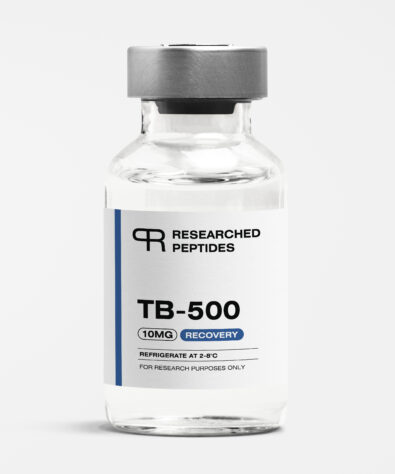
Price range: $41.24 through $71.24
Price range: $74.99 through $149.99
Price range: $3.74 through $14.99
Price range: $2.24 through $6.74
$44.99
References
1. Government of Canada. (1985). Food and Drugs Act (R.S.C., 1985, c. F-27). Justice Laws Website. https://laws-lois.justice.gc.ca/eng/acts/f-27/fulltext.html
2. Health Canada. (2026). Public Advisory: Think twice before injecting peptides bought online: unauthorized products can seriously harm you. Recalls and Safety Alerts. Government of Canada. https://recalls-rappels.canada.ca/en/alert-recall/think-twice-injecting-peptides-bought-online-unauthorized-products-can-seriously-harm
3. College of Physicians & Surgeons of Alberta. (2026). Unauthorized injectable peptides and their potential serious health risks: Guidance for clinical practitioners. CPSA News & Advisory Portals.