Free Xpresspost Shipping Over $199

30% Off
Black Friday
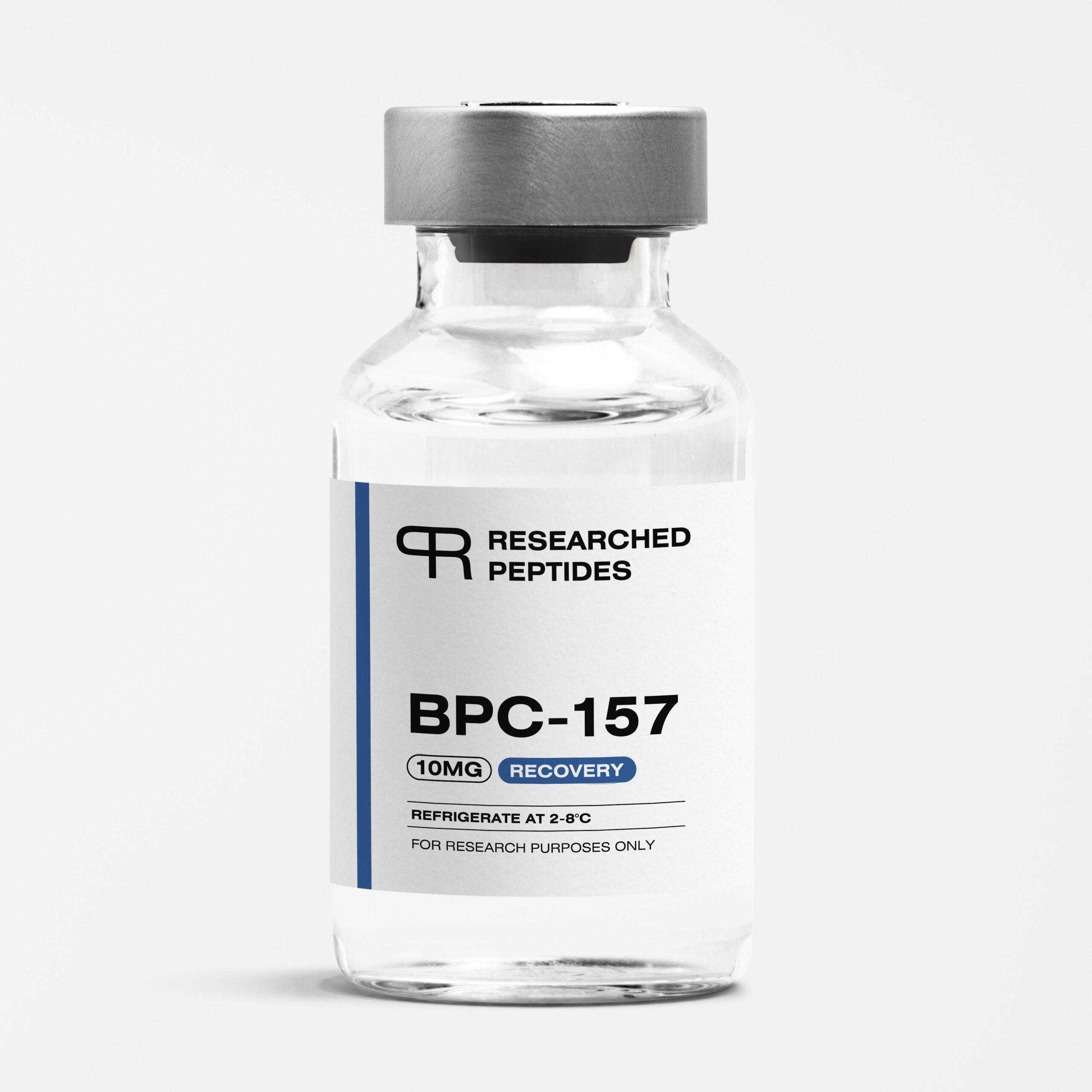
BPC-157
Price range: $54.99 through $94.99
Price range: $38.49 through $66.49

Lab Tested

Ships From BC

2-Day Ship
Overall Purity:
98.81% (HPLC Verified)
98.81% (HPLC Verified)
Buy BPC-157 in Canada for laboratory research. Available in 5mg and 10mg strengths, BPC-157 Arginate is a synthetic 15-amino-acid peptide studied in connective tissue biology, cellular migration, angiogenic signalling, and gastrointestinal tissue research.
Specifications
- Content: 5mg and 10mg per vial
- Form: Arginate Salt
- Format: Supplied as a lyophilized peptide that may appear as a solid puck. Reconstitute with a suitable diluent for solution-based research.
- Purity: 98.81% (HPLC Verified, tested 5mg sample)
- Testing: Independent HPLC-UV Analysis (5mg Sample)
- Peptide Length: 15 Amino Acids
- Research Use: Laboratory Research Only
Shipping & Handling
Orders ship directly from British Columbia via Canada Post Xpresspost, with tracking provided. Standard delivery typically takes 2–3 business days across Canada.
BPC-157 (Arginate Salt) – Overview & Research Mechanisms
PENTADECAPEPTIDE RESEARCH | CONNECTIVE TISSUE & CELLULAR BIOLOGY
What Is BPC-157?
BPC-157 (Body Protection Compound-157) is a synthetic 15-amino-acid peptide investigated in preclinical research involving connective tissue biology, cellular migration, vascular signaling and gastrointestinal tissue responses. Its published research literature includes laboratory and animal models examining tendon fibroblasts, extracellular matrix regulation and experimental tissue remodeling.
Available in 5mg and 10mg lyophilized strengths, Researched Peptides’ BPC-157 is supplied in an arginate salt format for scientific research. The peptide is of particular interest in studies exploring fibroblast signaling, collagen-related processes, angiogenic pathways and cellular responses under controlled experimental conditions.
Research Mechanisms & Cellular Biology
BPC-157 has been investigated across multiple preclinical research models, with emphasis on cellular movement, intracellular signaling, vascular biology and connective tissue responses. These studies examine how the peptide interacts with biological pathways involved in tissue organization and experimental remodeling processes.
Key BPC-157 Research Pathways
Cellular Migration — Tendon Fibroblast Biology
Experimental tendon-cell research has examined BPC-157 in relation to fibroblast migration, cell survival and tissue outgrowth. Selected preclinical studies have associated these observations with focal adhesion kinase (FAK) and paxillin signaling, pathways involved in cell attachment and movement.
Angiogenic Signaling — VEGFR2 Pathway
Preclinical investigations have explored BPC-157-associated signaling involving vascular endothelial growth factor receptor 2 (VEGFR2). These studies examine endothelial-cell responses and experimental blood-vessel formation within controlled laboratory models.
Connective Tissue — Tendon & Ligament Models
Animal studies have investigated BPC-157 in experimental tendon and ligament models, examining collagen organization, structural measurements and tissue-associated cellular responses. These findings contribute to research on extracellular matrix regulation and connective tissue biology.
Gastrointestinal Biology — Mucosal Responses
BPC-157 has also been studied in experimental gastrointestinal models involving mucosal integrity, inflammatory signaling and responses to induced tissue injury. These investigations provide scientific context for the peptide’s role in gastrointestinal research.
What Is BPC-157 Arginate?
BPC-157 Arginate refers to a salt form of BPC-157 associated with arginine. The underlying peptide contains 15 amino acids, while the arginate form introduces an additional formulation consideration relevant to peptide chemistry, solubility and laboratory preparation.
Salt selection can influence the physical and chemical properties of peptide preparations. However, specific differences in stability or handling depend on the material and experimental conditions. Much of the published BPC-157 literature focuses on the peptide’s biological activity rather than direct comparisons between commercial arginate and acetate salt formulations.
BPC-157 Research Peptide in Canada
Researched Peptides supplies BPC-157 in 5mg and 10mg strengths in Canada for laboratory and scientific research. Independent HPLC-UV testing documentation is available for a submitted BPC-157 5mg sample, providing analytical information about its purity and measured content.
For a more detailed examination of BPC-157’s molecular characteristics, experimental pathways and published scientific findings, explore our BPC-157 Research Guide. You can also read our BPC-157 vs. TB-500 Comparison to understand how the two peptides differ in laboratory research.
For laboratory and scientific research purposes only. Not intended for human or veterinary use.
| Strength | 5mg, 10mg, 5mg – 6 Vials (Master Set), 10mg – 6 Vials (Master Set) |
|---|
BPC-157 (Arginate Salt) – Molecular Specifications
TECHNICAL DATA SHEET | MOLECULAR & LABORATORY INFORMATION
The following specifications summarize the molecular characteristics, available strengths and laboratory research format of BPC-157 (Arginate Salt), including reference peptide information and documented analytical testing.
The sequence, molecular formula, molecular weight and CAS number describe the BPC-157 reference peptide. The arginate salt form may contain additional chemical components or counterions not represented by these reference values.
BPC-157 Molecular Structure & Composition
BPC-157 is a synthetic pentadecapeptide consisting of 15 amino acids with the reference sequence GEPPPGKPADDAGLV. Its molecular structure has been investigated in preclinical research involving fibroblast migration, connective tissue biology, vascular signaling and gastrointestinal tissue responses.
The arginate salt form incorporates arginine-associated counterions into the peptide preparation. Salt selection is relevant to peptide formulation and laboratory analysis, while material-specific characteristics such as solubility and stability depend on the composition and experimental conditions.
Laboratory Storage & Handling
Lyophilized BPC-157 should be maintained under controlled laboratory conditions, minimizing unnecessary exposure to heat, moisture and light. Specific storage temperatures and validated stability periods should follow applicable product documentation and established laboratory procedures.
For solution-based research, solvent compatibility, concentration and storage conditions should be established according to the supplied material and intended analytical method. For further information, explore our Research Starter Guide and Peptide Stability & Storage Guide.
Technical Documentation
Visit the Lab Results tab to review independent analytical documentation for the tested BPC-157 5mg sample, including HPLC-UV purity and measured content findings. For additional specifications, 10mg documentation or questions about the arginate salt form, please contact our team.
BPC-157 (Arginate Salt) – HPLC Testing & Lab Results
LABORATORY INFORMATION | PURITY & ANALYTICAL DOCUMENTATION
Independent Analytical Testing
Review independent third-party analytical documentation for BPC-157. The available Testides Certificate of Analysis reports HPLC-UV purity and measured content for a submitted BPC-157 5mg sample, providing documented analytical findings for laboratory research.
Understanding BPC-157 Purity Testing
Researched Peptides uses independent third-party analytical testing as part of its product quality assessment. High-Performance Liquid Chromatography with Ultraviolet Detection (HPLC-UV) separates and measures detectable components within a submitted sample, allowing the laboratory to evaluate chromatographic purity under defined analytical conditions.
For the submitted BPC-157 5mg sample, the laboratory reported 98.81% HPLC-UV purity and 5.76mg measured content. These findings provide useful information about the analyzed research material and support transparent review of the sample’s documented analytical characteristics.
The independent Certificate of Analysis contains the reported findings for the tested BPC-157 5mg sample. For inquiries about documentation for other strengths or additional testing information, please contact our team.
BPC-157 (Arginate Salt) – Scientific Research & Studies
PUBLISHED RESEARCH | CONNECTIVE TISSUE & CELLULAR SIGNALING
BPC-157 is a synthetic pentadecapeptide investigated in preclinical research involving connective tissue biology, cellular migration, angiogenic signaling and gastrointestinal tissue responses. Published studies have explored its interactions with fibroblasts, endothelial signaling pathways and experimental tissue models. The following peer-reviewed publications highlight important findings across these areas of scientific investigation.
TENDON CELL RESEARCH | 2011
BPC-157, Tendon Outgrowth & Fibroblast Migration
Study: Chang CH et al., Journal of Applied Physiology (2011). The promoting effect of pentadecapeptide BPC 157 on tendon healing involves tendon outgrowth, cell survival, and cell migration.
Research model: Rat tendon explants and cultured tendon fibroblasts examined for cellular outgrowth, migration, survival and associated intracellular signaling.
Findings: Researchers reported increased tendon fibroblast outgrowth, migration and cell survival under selected experimental conditions. These observations were associated with changes in focal adhesion kinase (FAK) and paxillin signaling, pathways involved in cellular attachment and movement.
Research context: This preclinical study contributed to understanding BPC-157-associated fibroblast activity and tendon-cell signaling in experimental tissue and cell-culture models.
VASCULAR SIGNALING RESEARCH | 2017
BPC-157 & VEGFR2-Related Angiogenic Signaling
Study: Therapeutic potential of pro-angiogenic BPC157 is associated with VEGFR2 activation and up-regulation. (2017).
Research model: Experimental angiogenesis models involving vascular endothelial cells and investigations of receptor-mediated signaling pathways.
Findings: Investigators reported increased VEGFR2 expression and activation associated with BPC-157 exposure, alongside changes in downstream Akt and endothelial nitric oxide synthase (eNOS) signaling. These observations contributed to research into endothelial-cell responses and experimental vascular formation.
Research context: This investigation explored molecular pathways associated with BPC-157 and experimental angiogenesis, contributing to the understanding of vascular signaling in preclinical research.
GASTROINTESTINAL RESEARCH | 1994
BPC-157 in Experimental Gastric & Duodenal Models
Study: Sikirić P et al., Life Sciences (1994). The beneficial effect of BPC 157, a 15 amino acid peptide BPC fragment, on gastric and duodenal lesions induced by restraint stress, cysteamine and 96% ethanol in rats.
Research model: Experimental rat models of gastric and duodenal lesions induced by stress-related conditions and chemical agents, including ethanol and cysteamine.
Findings: Researchers reported differences in gastric and duodenal lesion measurements following BPC-157 exposure compared with control groups. These findings contributed to subsequent investigations of the peptide in gastrointestinal tissue biology and experimentally induced mucosal responses.
Research context: This early animal investigation explored BPC-157-associated responses in experimental gastrointestinal models, providing a foundation for further preclinical research into mucosal tissue biology.
Understanding the Research Evidence
Published research has explored BPC-157 across several areas of experimental biology, including tendon fibroblast migration, vascular signaling and gastrointestinal tissue responses. The studies above highlight its interactions with cellular pathways such as FAK-paxillin, VEGFR2 and Akt/eNOS, alongside observations from preclinical connective tissue and gastrointestinal models.
Together, these findings provide a foundation for continued scientific investigation of BPC-157 and its biological mechanisms. The evidence presented here comes from cellular and animal research; its relevance to human clinical outcomes remains to be established. The studies also concern BPC-157 research preparations rather than direct comparisons of commercial arginate salt formulations.
Explore BPC-157 Research
Explore our dedicated research guide for a deeper examination of BPC-157’s molecular structure, experimental mechanisms and published scientific findings.
BPC-157 (Arginate Salt) – Frequently Asked Questions
RESEARCHER INQUIRIES | PRODUCT & LABORATORY INFORMATION
Find answers to common questions about BPC-157, its arginate salt formulation, available vial strengths, scientific research and analytical documentation.
What is BPC-157?
BPC-157 is a synthetic 15-amino-acid research peptide investigated in laboratory and preclinical models involving gastrointestinal biology, cellular migration, connective tissue responses and angiogenic signaling.
What is BPC-157 Arginate?
BPC-157 Arginate is a salt form of BPC-157 associated with arginine. Salt forms are relevant to peptide formulation and laboratory handling. Specific stability and solubility characteristics depend on the supplied material and experimental conditions.
Why is BPC-157 studied in scientific research?
BPC-157 has been investigated in experimental models of tendon and ligament biology, endothelial signaling, cell migration and gastrointestinal tissue responses. The majority of published findings come from laboratory and animal studies, including investigations of FAK-paxillin signaling and VEGFR2-related pathways.
What is the difference between BPC-157 and TB-500?
BPC-157 and TB-500 are distinct research peptides associated with different molecular structures and experimental literature. BPC-157 is investigated in gastrointestinal and connective tissue models, while TB-500 research is associated with thymosin beta-4-related biology. Explore our BPC-157 vs. TB-500 Research Comparison for more information.
What strengths of BPC-157 are available?
Researched Peptides offers BPC-157 in 5mg and 10mg lyophilized vial formats for laboratory and scientific research. Current purchasing options are displayed on this product page.
Is BPC-157 independently laboratory tested?
Yes. An independent Testides Certificate of Analysis documents HPLC-UV testing of a submitted BPC-157 5mg sample, reporting 98.81% purity and 5.76mg measured content. The report is accessible through the Lab Results tab. These analytical findings apply to the submitted 5mg sample.
How should BPC-157 be stored?
Lyophilized BPC-157 should be maintained under controlled laboratory storage conditions, with unnecessary exposure to heat, moisture and light minimized. Specific temperature requirements and validated stability periods should follow applicable product documentation and laboratory procedures.
How is BPC-157 prepared for laboratory research?
Solution preparation depends on the intended laboratory method and the properties of the supplied peptide. Researchers should establish appropriate solvent compatibility, concentration, handling and storage conditions for their experimental protocol. General educational information is available in our Research Starter Guide.
Have a Research Question?
Need help with BPC-157 specifications, laboratory documentation or a research-related order inquiry? Our support team can help.
New to Peptide Research?
Explore our Research Starter Guide for peptide preparation fundamentals, laboratory storage guidance and essential research education.
BPC-157 is supplied strictly for laboratory and scientific research purposes. Not intended for human or veterinary use.
Customer Reviews
Add a review
 BPC-157
Your review
* Review is required
Name
* Name is required
Email
* Email is required
87%
13%
0%
0%
0%
Customer photos and videos
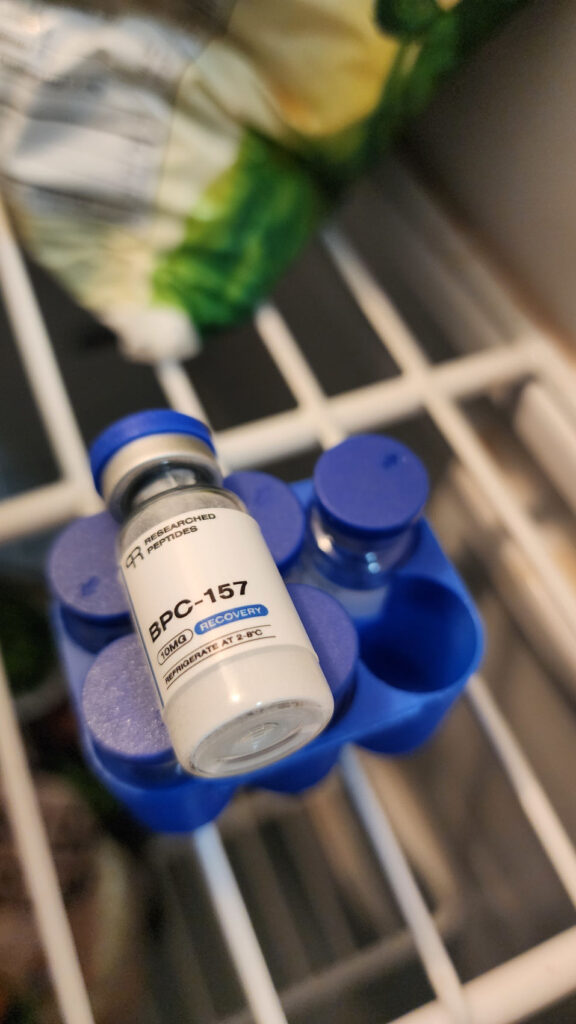
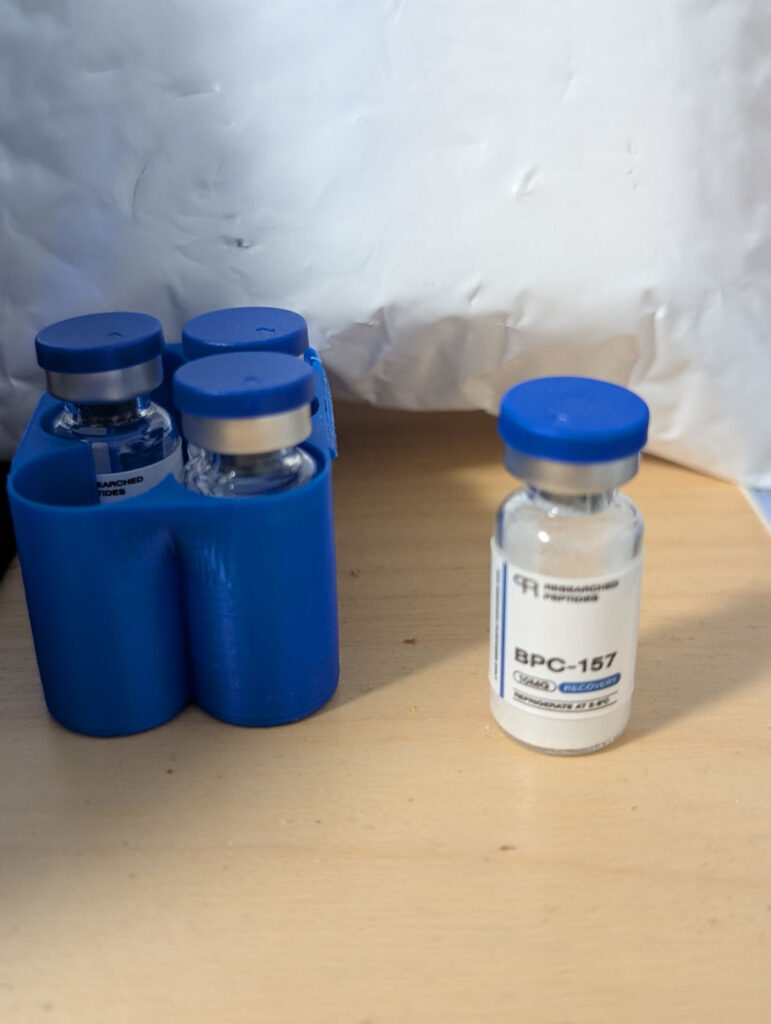
1-5 of 15 reviews
Continue Your Research
Explore additional research peptides and educational resources covering BPC-157, connective tissue biology and laboratory peptide handling.
You may also like…
30% Off
Black Friday

Tissue Repair & Recovery
(16) Original price was: $169.99.$169.99 $118.99
Related products
30% Off
Black Friday
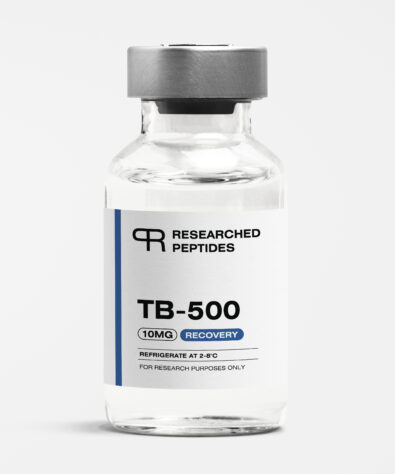
Tissue Repair & Recovery
(13) Price range: $54.99 through $94.99
Price range: $38.49 through $66.49
This product has multiple variants. The options may be chosen on the product page Price range: $38.49 through $66.49
30% Off
Black Friday
Research Supplies
(9) Price range: $4.99 through $19.99
Price range: $3.49 through $13.99
This product has multiple variants. The options may be chosen on the product page Price range: $3.49 through $13.99
30% Off
Black Friday
30% Off
Black Friday
Longevity & Vitality
(6) $59.99
$41.99
This product has multiple variants. The options may be chosen on the product page $41.99
great product
I’ve been trying this for my bad back. Many years as a firefighter destroyed me physically. Feeling relief already after 2 weeks of usage. Thank you
Pickleball was wrecking my knees to the point where I couldn’t even play two days in a row. But I’ve been using the BPC and after about 1-2 weeks I feel like 40% pain reduction and I can finally play again!
Started using BPC + TB-500 after a shoulder issue from the gym, and it feels way better than it did 3 weeks ago so I’ll keep using it and hope to see more improvement each week